
How grain-based ethanol is fuelling sustainability, cutting emissions, and redefining energy economics
As the world pushes toward cleaner, more sustainable energy sources, India’s bioethanol story is gaining momentum—quietly but powerfully. While solar energy and electric mobility grab headlines, bioethanol has steadily positioned itself as a practical and scalable bridge toward energy independence. And it’s doing so through the country’s most abundant resource—grains.
India’s energy consumption ranks among the highest globally, and so does its crude oil import dependency—around 85% of demand is met through imports. This dependency makes India vulnerable to global oil price fluctuations. Bioethanol, particularly the grain-based kind, provides a renewable, locally-sourced solution. It blends seamlessly with petrol, reduces emissions, and supports farmers—all at once.
Ethanol Blending: A National Priority
India’s Ethanol Blending Programme (EBP) is a cornerstone of its clean energy ambitions. With a goal to achieve 20% ethanol blending in petrol by 2025 (E20), the government is actively encouraging distilleries to diversify their feedstock beyond sugarcane molasses.
Grain-based ethanol is now projected to contribute more than half of total ethanol production in the coming year. This transition is not only strategic—it’s essential.
Each litre of ethanol blended saves around 2.7 kg of CO₂ emissions. Multiply that by millions, and it becomes a meaningful tool in the fight against climate change.
Why Grains Like Maize Are Key
Sugarcane molasses-based ethanol is well-established but comes with limitations. Sugarcane is water-intensive, regionally concentrated, and subject to production cycles. On the other hand, grains like maize and broken rice offer more sustainable, regionally distributed options.
- Lower water use: Maize requires significantly less water than sugarcane.
- Broader geography: Grains can be grown across multiple agro-climatic zones.
- Efficient use of surplus: Many distilleries use substandard or excess grains that would otherwise go to waste.
In essence, grain-based ethanol opens up the energy market to India’s grain belt, bringing new income streams and economic resilience to farmers.
GrainSpan’s Role in Ethanol Innovation
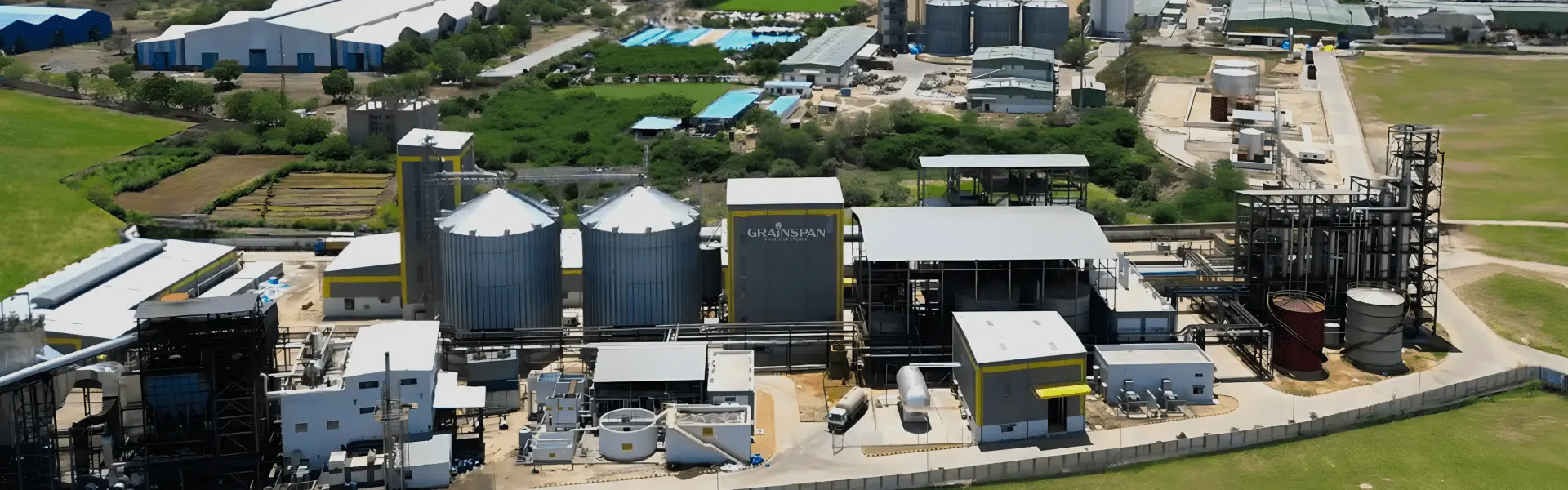
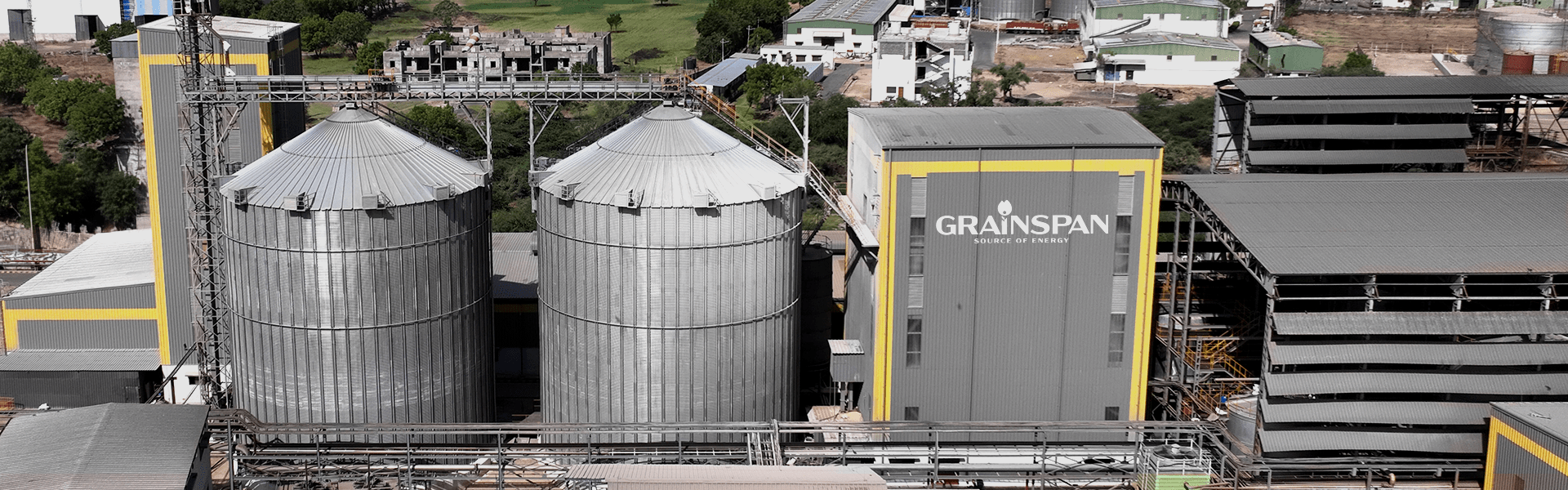
At GrainSpan Nutrients, we’ve embedded this clean energy goal into our core operations. Our grain-based ethanol plant in Ahmedabad, Gujarat, is the first of its kind in the state. Currently producing 120,000 litres of ethanol per day, we are scaling toward 400,000 litres per day to support India’s E20 blending target.
What sets us apart is our fully integrated approach:
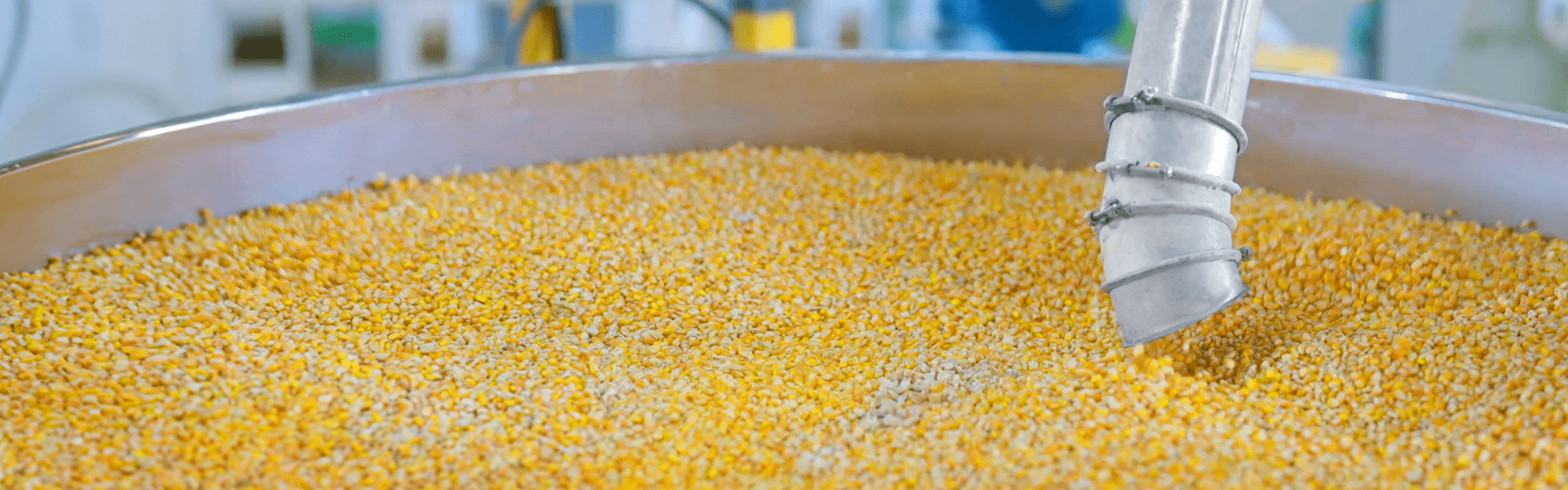
- Dry milling of corn and rice for maximum ethanol yield
- High-purity ethanol output (99.9%) suitable for fuel applications
- Co-product utilisation:
- DDGS (Distillers’ Dried Grains with Solubles), a protein-rich animal feed
- Food-grade CO₂ used in carbonated beverages and industrial processes
This circular model ensures no part of the grain goes to waste, creating a cleaner, closed-loop production system.
The Environmental & Economic Impact
Bioethanol is one of the few solutions that benefits the environment, the economy, and the agricultural sector in tandem.
Environmental wins:
- Lifecycle emissions of ethanol are 30–60% lower than petrol.
- CO₂ is captured, purified, and repurposed—reducing industrial emissions.
- No plastic use, zero discharge design, and reduced freshwater usage.
Economic ripple effects:
- Farmers benefit from demand for maize and rice across seasons.
- Livestock sectors gain access to reliable, affordable feed (DDGS).
- Beverage companies can rely on a consistent supply of CO₂.
- Fuel import bills shrink, aiding India’s energy security goals.
What’s Needed to Scale Further
India’s bioethanol story is promising, but unlocking its full potential will require supportive frameworks:
- Transparent grain procurement policies
- Investment in ethanol distribution infrastructure
- Better price discovery for ethanol producers
- Continued R&D for high-starch grain hybrids
With proactive reforms, India could become a case study in how to decarbonise its fuel economy without compromising food security or economic growth.
The Future is Grain-Based
Grain-based bioethanol is no longer a niche product—it’s a central part of India’s clean energy roadmap. It connects agriculture to industry, innovation to sustainability, and energy policy to rural progress.
At GrainSpan, we believe every grain we mill has the power to do more. To fuel mobility. To feed livestock. To cut emissions. To build a more resilient and self-sustaining India.
If you’re a food processor, energy company, feed manufacturer, or sustainability-focused organisation—let’s talk. The clean energy future is already here.
And it begins with grain.