
India is one of the world’s most significant rice producers and exporters, placing it at the center of global rice markets and supply chains. As demand grows for quality rice products both domestically and abroad, professional rice milling services India and reliable rice product suppliers have become essential partners for businesses ranging from exporters and distributors to FMCG brands and international buyers.
According to the Food and Agriculture Organization, India contributes a significant portion of global rice production and export price movements tracked by the FAO All Rice Price Index, showing the importance of rice in international trade and food security. FAO
What Are Rice Milling Services?
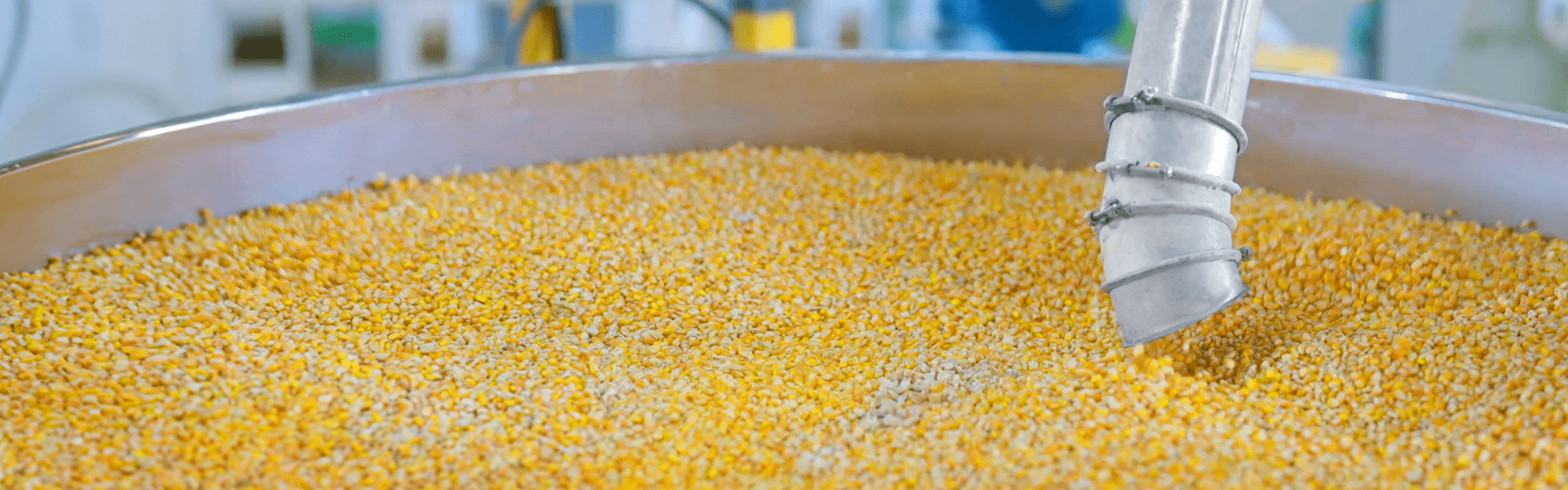
Rice milling services encompass the processing of paddy (raw harvested rice) into market-ready milled rice and related products that meet specific quality standards. These services are crucial for ensuring that rice reaches consumers and commercial buyers in the best possible form – stable, clean, and suitable for diverse applications.
Rice milling isn’t just dehusking; it includes cleaning, grading, polishing, sorting, and packaging. Professional services deliver consistent quality and tailored outputs that support everything from everyday table rice to specialized food processing requirements.
These services help enhance shelf life, reduce breakage, and ensure uniform quality for bulk buyers, retailers, and global exporters. Quality rice milling also helps maximise yield and reduces post-harvest losses, a key concern in large rice-producing regions.
Key Steps in Rice Milling Process
A robust rice milling process typically includes the following stages:
- Cleaning: Paddy is first cleaned to remove stones, dust, husks, and foreign matter, ensuring the base material is free of impurities.
- Dehusking: The outer husk is removed to produce brown rice.
- Polishing & Whitening: Brown rice is polished to remove bran and produce white rice with desirable texture and appearance.
- Grading & Sorting: Grains are sized, colour-sorted, and graded to meet specific market or exporter requirements.
- Packaging: Final products are packed in branded, export-ready materials with appropriate labelling.
Each of these steps enhances the visual appeal, cooking quality, and market value of rice products – and professional rice milling facilities ensure that this process is efficient, hygienic, and scalable.
Types of Rice Products Supplied
A full-service rice product supplier delivers a wide range of mill outputs tailored for different markets and needs:
- Whole Grain Rice: Standard milled rice for retail and food service supply.
- Parboiled Rice: Partially steamed prior to milling for enhanced nutritional value and shelf stability.
- Broken Rice: Often supplied for industrial applications, animal feed, and processing.
- Rice Bran & By-Products: Used in edible oils, nutraceuticals, and as feed ingredients.
- Custom Blends: Tailored mixes for specific culinary or processing needs.
Modern suppliers can cater to bulk, wholesale, and branded product demands – offering flexible packaging options and documentation suitable for both domestic distribution and overseas export.
Role of Rice Product Suppliers in India
India’s rice supply ecosystem is supported by expert rice product suppliers who combine milling services with logistics, quality control, and export readiness. These suppliers ensure that products destined for export markets or commercial buyers meet stringent standards of purity, grain size distribution, moisture content, and packaging.
Such suppliers operate with sophisticated machinery, automated sorting technologies, and certified quality systems to deliver consistency at scale. Their role becomes especially critical for international buyers and FMCG companies that need uniformity in large shipments.
As rice value chains become more integrated, suppliers often help with traceability, documentation and compliance – helping buyers navigate international standards with ease.
Domestic vs Export Market for Rice
India stands among the world’s leading rice exporters, with a dominant share of both Basmati and non-Basmati rice in the global market. According to international trade data, India accounts for over 30% of global rice exports, with export value in the tens of billions of dollars and a wide international footprint covering Asia, Africa, Europe and beyond. Tradeimex
Export figures show robust demand for semi-milled or wholly milled rice across multiple countries, highlighting India’s importance in global food trade. World Integrated Trade Solution
Domestic demand remains strong too, driven by population growth, evolving consumption patterns, and rising demand from food processing sectors. A balanced production-export strategy is now essential for rice milling and supply businesses aiming for long-term growth in both markets.
Quality Control & Food Safety Standards
For rice products to compete internationally, quality standards and safety protocols are non-negotiable. Professional rice milling companies adhere to:
- FSSAI (Food Safety and Standards Authority of India) norms for food safety and hygiene.
- ISO certifications for quality management.
- HACCP / GMP practices for hazard control and processing safety.
- Export compliance checks for destination country requirements.
These standards ensure that rice products are free from contaminants, consistent in quality, and safe for consumption – essential for building trust with international buyers, restaurants, distributors, and retail chains.
Why Choose a Professional Rice Milling Company
Engaging a reputable rice milling services India provider offers multiple advantages:
- Advanced Technology: High-precision milling reduces breakage and improves yield.
- Scalable Solutions: Ability to handle bulk orders, export volumes, and custom specifications.
- Hygiene & Safety: Controlled environments and quality checks at every stage.
- Documentation & Compliance: Support for export documentation, certifications, and regulatory needs.
Whether you are a food exporter, international buyer, or industrial user, a professional partner ensures reliability, consistent performance, and peace of mind.
Trends in Rice Export Industry
India’s rice export industry continues to grow due to strong production capacity and favourable trade policies. With the nation consistently ranking among the top export destinations, rice products from India remain highly competitive globally – aided by quality distinction in varieties like Basmati and parboiled rice. Tradeimex
Markets such as Africa, the Middle East, and Southeast Asia are major importers of Indian rice, and demand continues to rise as global supply chains diversify and food security becomes a priority for many countries.
Call to Action
For businesses looking to partner with a trusted rice product supplier and access professional rice milling services in India, Grainspan is here to help.
Explore our rice product offerings: https://grainspan.com/products/
Contact our export team: https://grainspan.com/contact/
Bulk supply available for global buyers – request a quote today!