
Reimagining agricultural by-products for nutrition and impact
In the world of modern feed manufacturing, balancing cost, quality, and sustainability is no longer optional—it’s essential. And at the centre of this evolving conversation lies a once-overlooked by-product that’s now becoming indispensable: DDGS, or Dried Distillers’ Grains with Solubles.
Born from grain-based ethanol production, DDGS is gaining traction as a reliable, nutrient-dense component of livestock and poultry diets. But its growing relevance isn’t just about nutrition. It reflects a deeper shift—towards smarter resource use, circular processes, and long-term value for the food and feed industries.
What Exactly Is DDGS?
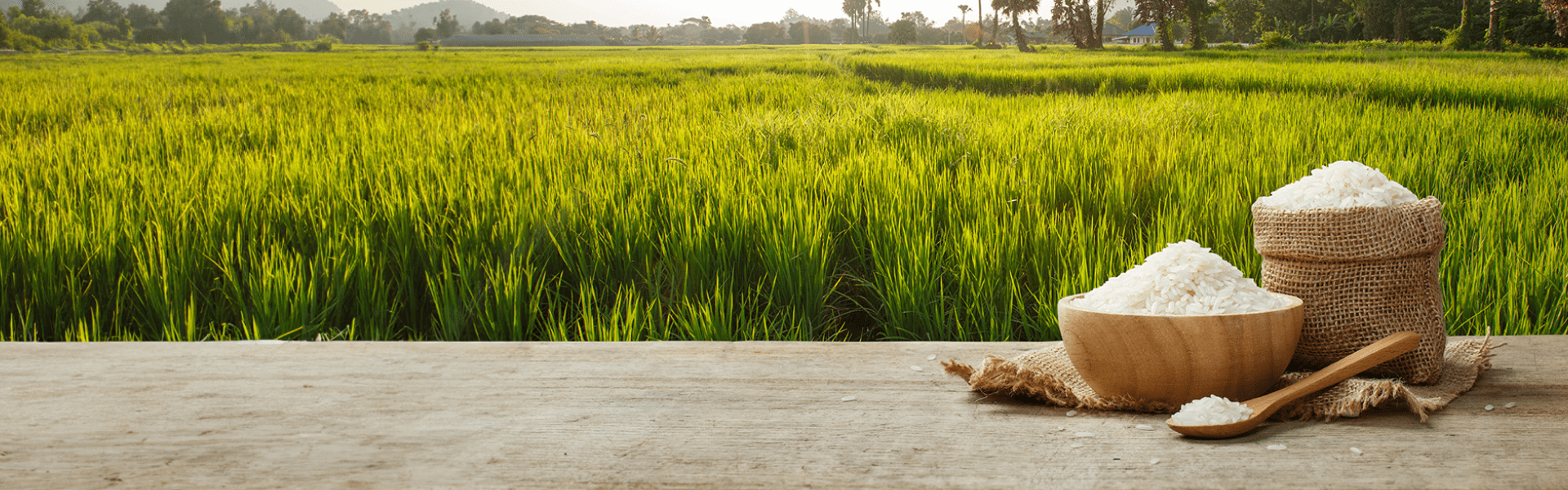
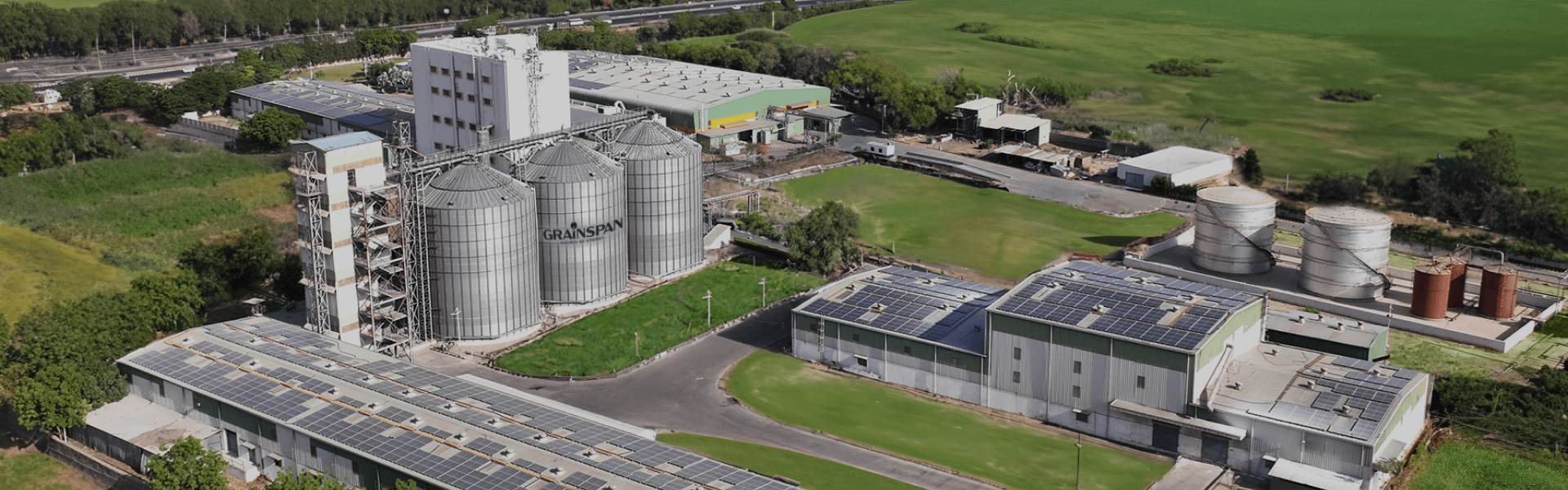
DDGS is produced during the ethanol manufacturing process, primarily from grains like corn or rice. At GrainSpan, our ethanol plant runs on dry-milling technology. Once starch is fermented into ethanol, what remains is a nutrient-rich residue. Rather than discard it, we dry and blend it with solubles to produce a high-protein, energy-dense feed ingredient.
What sets DDGS apart is its nutritional range:
- 26–30% protein (comparable to mid-range soymeal)
- Residual oil content for energy
- Naturally present amino acids and fibre
- A shelf-stable structure that’s easy to transport and store
From large-scale poultry operations to aquaculture and dairy farms, it’s fast becoming a preferred alternative or supplement to conventional feedstocks.
A Resource That Redefines Waste
For years, ethanol by-products were considered secondary. But as feed manufacturers and nutritionists seek more cost-efficient and sustainable inputs, DDGS is rewriting that narrative.
Because it’s created during an existing process, no additional land, fertiliser, or water is required to produce it. In other words, DDGS offers value without extra environmental load—a rare advantage in agriculture. And that makes it more than a by-product. It’s an ingredient with purpose.
The Sustainability Edge
At GrainSpan, we’ve built our operations to reflect a closed-loop model. Corn and rice enter our system, and from them, we derive not just ethanol but also bioethanol-grade CO₂ and high-quality DDGS. Nothing goes to waste. Every output is refined, tested, and redirected into industries that need it.
When feed manufacturers choose DDGS, they’re also supporting:
- Reduced demand on traditional protein crops like soy
- Local sourcing and lower logistics emissions
- Efficient use of agricultural input
- Circular value chains rooted in grain processing
Versatility Across Animal Nutrition
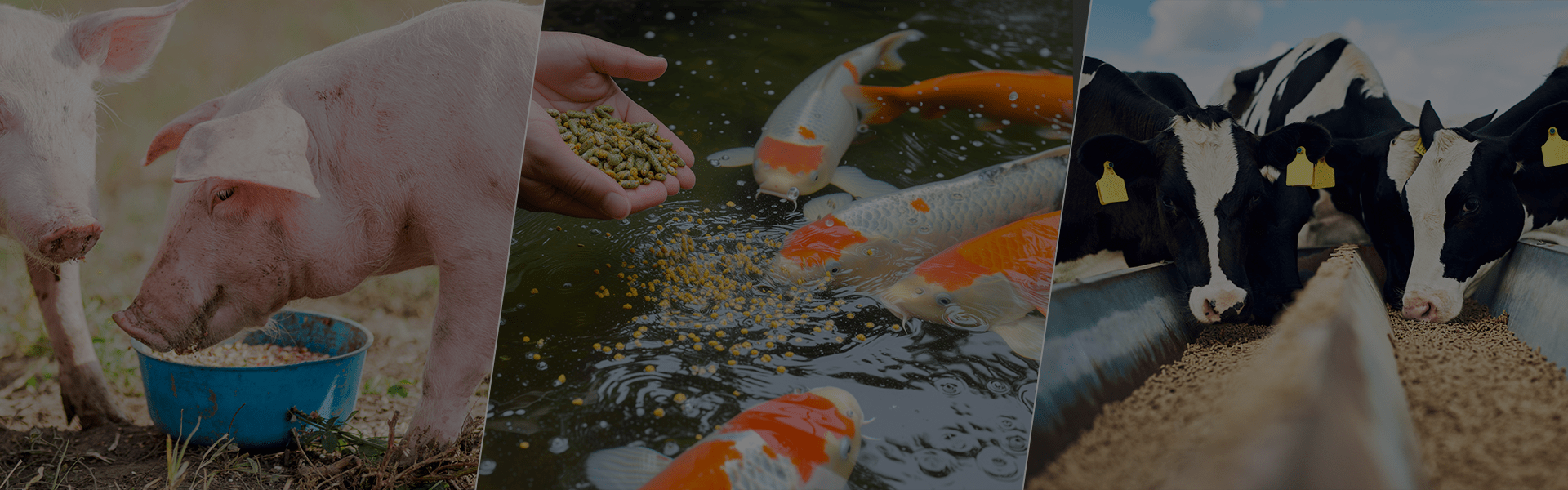
One of the reasons DDGS is seeing such widespread adoption is its applicability across species. It can be blended into:
- Poultry diets (layers and broilers)
- Dairy and beef cattle feed
- Swine rations
- Aquaculture and fish feed
- Sheep, goats, and other ruminants
The amino acid profile—particularly lysine, methionine, and threonine—makes it well-suited for growth and weight gain across species. Its fibre content aids digestion, and animals tend to accept it easily, making it a feed blender’s practical choice.
Consistency, Backed by Infrastructure
Feed formulation isn’t just about nutritional specs—it’s about uniformity. With fluctuating quality in some markets, suppliers must offer assurance that what’s delivered matches what’s expected.
At GrainSpan, we maintain control over every part of the process:
- On-site drying and testing
- Moisture and protein content monitoring
- No artificial enhancers or additives
- Year-round production backed by scalable storage and dispatch
- Feed-grade compliance, traceability, and clean batch separation
Whether a client is sourcing bulk DDGS for large operations or testing small-batch integration, we support them with technical guidance and logistical transparency.
Navigating Market Volatility
For buyers, the biggest appeal often lies in economics. As global commodity prices swing—particularly for soymeal and imported proteins—DDGS offers a buffer.
It’s a locally available, cost-effective substitute that supports bottom-line efficiency. It helps manufacturers maintain nutrition levels without being overexposed to global supply chain shocks. And with a stable shelf life and long-distance viability, it adapts well to changing production cycles.
What Makes GrainSpan DDGS Different
- Made from maize and rice using state-of-the-art fermentation
- Protein-rich (26–30%) with high digestibility and amino acid balance
- Uniform in appearance, texture, and feed value
- Available in bulk quantities with reliable year-round supply
- Manufactured in India with export readiness and documentation
Above all, it’s produced in line with GrainSpan’s broader mission—to transform every step of the milling and ethanol process into tangible, sustainable outcomes.
Conclusion: The Future of Animal Feed Is Smarter
As the global feed industry leans toward more responsible sourcing and efficient formulation, DDGS is firmly at the centre of that evolution.
At GrainSpan, we’re not just creating a feed product—we’re delivering a nutritional, logistical, and ecological solution. It’s a product that fits where feed is going: lower emissions, lower cost, and higher performance.
If you’re seeking consistent, quality-assured DDGS from a partner that understands both grain and livestock, let’s connect.
Ready to integrate DDGS into your supply chain?
Contact our feed solutions team for samples, technical data, or bulk order support.