
India produces over 130 million metric tonnes of paddy annually and exports more rice than any other country in the world. For food manufacturers, FMCG brands, distributors, and industrial buyers, that means a large pool of rice product suppliers to choose from – but also significant variation in quality, consistency, and reliability. This guide covers what bulk rice supply looks like in India, which product types matter for which industries, how to evaluate suppliers on certifications and logistics, and why the source of processing matters as much as the price.
Need rice grits or rice flour in bulk? Contact GrainSpan Nutrients for pricing, certifications, and supply terms.
India’s Rice Supply Chain: How It Works
Paddy moves from farms to mandis (regulated agricultural markets) or through direct procurement by millers. Rice mills then process, grade, and pack the output. From there, the product reaches end buyers either directly from the mill, through regional distributors, or via wholesale traders.
For B2B buyers, the decision to source directly from a rice mill versus a trader comes down to a few things: volume, consistency, and traceability. Direct mill sourcing offers better pricing on large volumes, access to custom grades, and the ability to audit the facility. Traders offer flexibility and faster turnaround on smaller lots. For food manufacturers and FMCG brands running continuous production, direct relationships with rice product suppliers who operate their own plants are almost always the more stable option.
Types of Rice Products Available from Bulk Suppliers
A full-service rice product supplier will typically offer the following product categories:
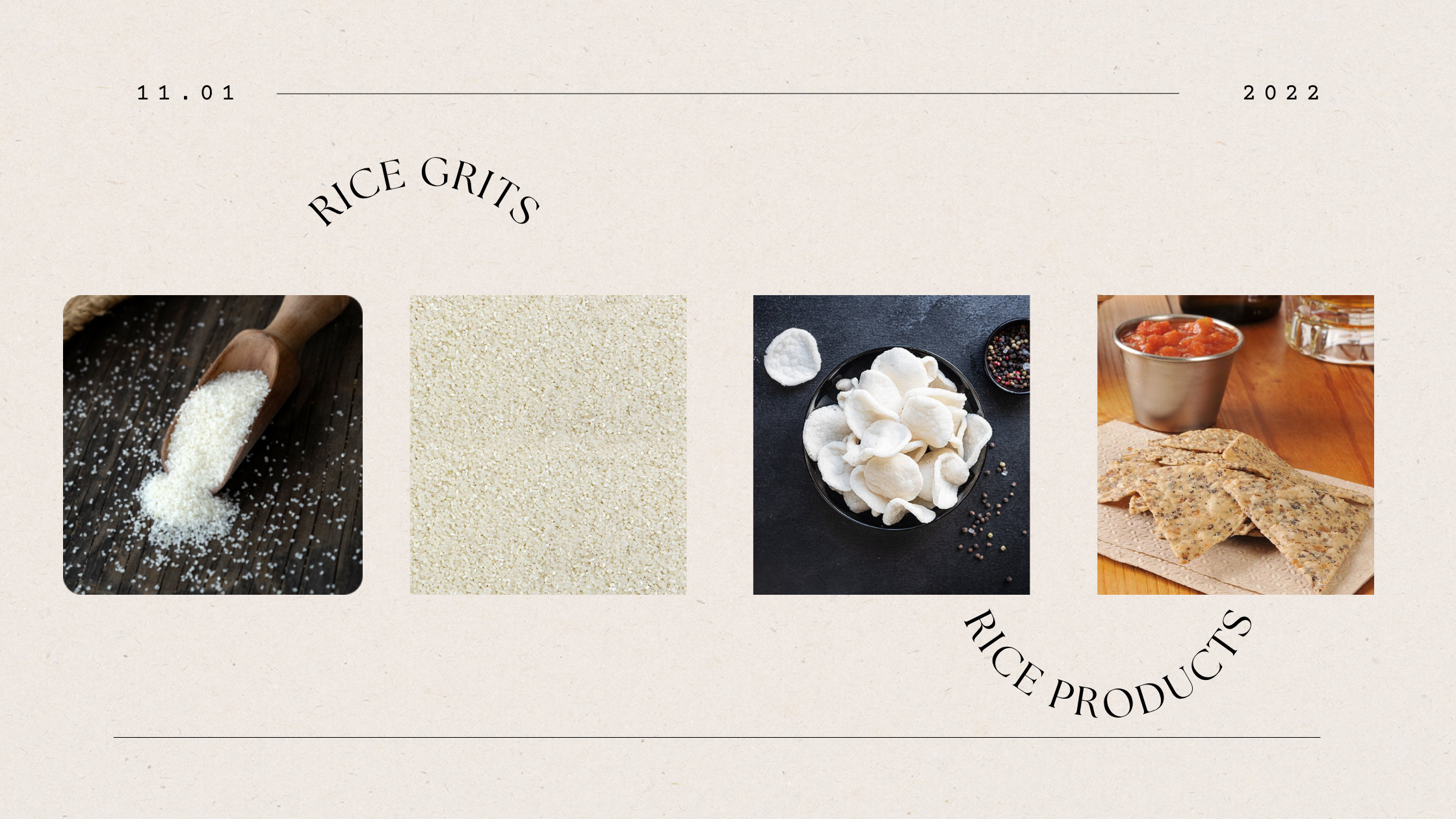
- Rice Grits: Broken, degermed rice endosperm particles screened to specific sizes. Used in breakfast cereals, brewing adjuncts, extruded snacks, and weaning food formulations. Available in fine, medium, and coarse grades.
- Rice Flour: Finely milled rice, used in gluten-free baking, batter coatings, baby food, noodles, and rice-based snacks. Particle size and moisture content are the two key variables buyers should specify.
- Broken Rice: Sorted broken kernels from the milling process. Used extensively in animal feed formulations, bioethanol production, and as a low-cost raw material for starch extraction.
- Parboiled Rice Products: Processed through partial boiling before milling, which increases nutritional retention. Parboiled rice grits and flour are preferred in some southern and eastern Indian food applications.
- Raw Milled Rice: Standard white rice in long, medium, or short grain. The baseline commodity product for domestic distribution and export.
GrainSpan Nutrients supplies rice grits and rice flour from our milling facilities in Kolkata and Haryana. Reach out to discuss your grade and volume requirements.
Certifications and Quality Standards to Look For
Food-grade rice products sold in India require FSSAI (Food Safety and Standards Authority of India) certification at a minimum. For export buyers, the following are commonly required:
- APEDA Registration: Mandatory for agricultural and processed food exporters in India. Confirms the supplier is cleared for export through the Agricultural and Processed Food Products Export Development Authority.
- ISO 22000 or FSSC 22000: Food safety management system certifications. Indicate that the supplier runs documented hazard analysis, cleaning protocols, and traceability procedures.
- Phytosanitary Certificates: Required for grain shipments to most international markets. Issued by the Plant Quarantine Department and confirms freedom from pests and regulated pathogens.
- Halal / Kosher: Available on request from certain manufacturers. Required for GCC, Southeast Asian, and some European markets.
Beyond certifications, ask for Certificate of Analysis (CoA) data across several recent batches – not just the latest one. Batch-to-batch consistency in moisture, whiteness index, broken percentage, and ash content tells you more about a supplier’s actual process control than any certification document.
Domestic vs International Rice Suppliers
India’s rice processing industry is fragmented. Thousands of small mills operate at 10-50 MT per day, while a smaller number of integrated facilities run 100-500 MT per day with mechanised sorting, grading, and packing lines.
For large-volume domestic buyers, the advantages of sourcing from an Indian rice supplier over an international origin are straightforward: shorter lead times, lower freight costs, no import duty, and easier quality dispute resolution. For export buyers importing rice products into their markets, Indian suppliers offer competitive pricing against Thai, Vietnamese, or Pakistani origins on most grades, particularly for grits and flour used in industrial processing rather than consumer table rice.
Pricing and Logistics Considerations
Rice product pricing in India moves with paddy procurement costs, which are influenced by the minimum support price (MSP) set by the government, seasonal harvest volumes, and state-level procurement policies. Ex-factory rates for rice grits and rice flour are typically quoted per metric tonne and vary by grade, moisture specification, and order size.
For domestic buyers, most suppliers quote on an ex-works or FOR (freight on road) basis. For export, FOB Mundra, FOB Kolkata, or FOB Kakinada are the common incoterms. Container stuffing at a plant-level siding is available from larger integrated facilities and reduces demurrage risk.
Minimum order quantities at reputable bulk rice suppliers typically start at 20-25 MT for domestic orders and 1 FCL (roughly 20-25 MT) for export. Smaller trial orders are usually possible at a premium.
Why Choosing the Right Rice Product Supplier Matters
A single bad batch – high moisture, incorrect grade, or contaminated material – can shut down a production line. For food manufacturers and FMCG companies, the cost of a supplier failure is not just the product replacement cost; it includes downtime, rework, customer complaints, and reputational risk.
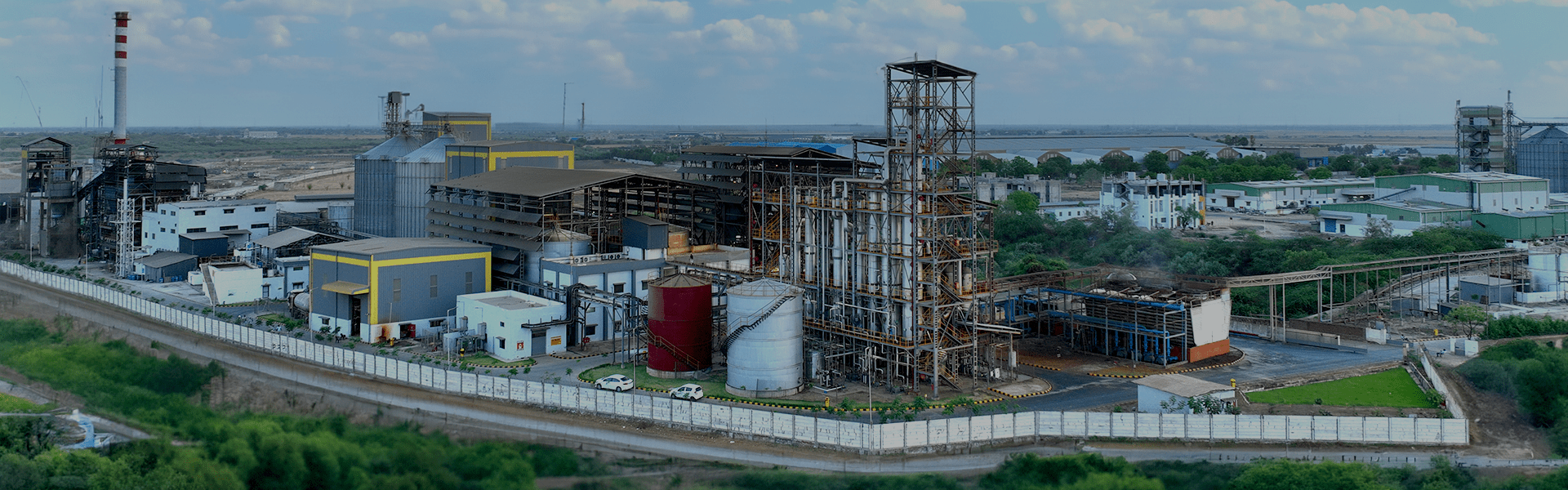
GrainSpan Nutrients operates rice milling facilities in Kolkata (West Bengal) and Haryana, with a combined processing capacity to handle a consistent supply across eastern and northern India. Our rice grits and rice flour are produced on mechanised lines with in-line quality checks and are backed by FSSAI certification. We supply food manufacturers, feed businesses, and industrial buyers directly – no intermediary margin, full traceability to the processing batch.
Contact GrainSpan Nutrients to discuss supply terms, get a product specification sheet, or request a sample. We supply rice grits and rice flour across India and for export.
Frequently Asked Questions
-
What are rice grits used for?
Rice grits are used in breakfast cereal manufacturing, weaning food and infant nutrition products, brewing as a malt adjunct, extruded snack production, and animal feed formulations. The specific grade (fine, medium, coarse) is selected based on the downstream process requirement.
-
How do I find certified rice product suppliers in India?
Start with APEDA’s registered exporter database for export-focused suppliers, or FSSAI’s licensed entity database for domestic suppliers. Then request certifications, recent batch CoA data, and, where feasible, a plant visit or third-party audit before committing to a large order.
-
What is the difference between rice flour and rice grits?
Rice grits are coarsely broken and screened endosperm particles, typically above 200 microns. Rice flour is milled finer, usually below 150 microns, and is used where a smooth texture, coating adhesion, or fine particle size is required. Both come from the same milling process; the difference is how finely the endosperm is reduced.
-
What are typical lead times from Indian rice product suppliers?
For domestic orders, 3-7 working days from order confirmation is standard for ex-stock material. For custom grades or large volumes built to order, allow 10-15 days. For export shipments, add container booking and stuffing time – typically 7-14 days from payment or LC confirmation to FCL departure.
-
Can I get rice products in custom packaging?
Yes. Most large-scale rice product suppliers offer flexible packaging: 25 kg PP woven bags, 50 kg bags, HDPE bulk bags (500-1000 kg), and custom-printed bags for branded applications. Confirm minimum order quantities per packaging type before placing an order.