
Animal feed costs in India have risen steadily over the last three years. Soybean meal prices have been volatile, maize procurement has tightened in several states, and poultry and dairy producers are under pressure to maintain margins without compromising feed quality. In that context, DDGS has moved from a fringe ingredient to a serious line item in feed formulations across the country.
This guide covers what DDGS is, how it performs in feed, what it costs in India in 2026, and what to look for when evaluating suppliers – whether you are buying for the first time or consolidating your vendor base.
What is DDGS?
DDGS stands for Distillers Dried Grains with Solubles. It is a co-product of the ethanol production process – what remains after the starch in grain has been fermented and distilled to produce alcohol. The non-starch components – protein, fibre, fat, and minerals – are concentrated in what is left, dried, and sold as DDGS.
Because starch is removed during fermentation, the remaining nutrients are present at roughly three times the concentration of the original grain. Corn DDGS, for example, contains approximately 26 – 30% crude protein compared to 8 – 9% in whole maize. This concentration effect is what makes DDGS nutritionally relevant – and commercially attractive – as a feed ingredient.
The “solubles” part matters. Condensed distillers solubles – a thick liquid fraction recovered during the distillation process – are added back to the grains before drying. This increases the energy, protein, and phosphorus content of the final product. DDGS without solubles added back (sometimes called DDG) has a different nutritional profile and is less common in the market.
Benefits of DDGS in Animal Feed
Protein content. Corn DDGS typically delivers 26 – 30% crude protein on a dry matter basis. Rice DDGS runs lower, at 18 – 22%, depending on the feedstock quality and process. In both cases, DDGS provides a meaningful protein contribution that partially or fully offsets soybean meal inclusion, depending on the species and production stage being fed.
Cost relative to soybean meal. Soybean meal has historically been the default high-protein ingredient in Indian compound feed. DDGS is typically priced at a discount to soybean meal on a per-tonne basis, and the effective cost per unit of protein is competitive – often more so when accounting for the energy contribution DDGS also provides. The economics shift with market conditions, but in most years the substitution makes financial sense at inclusion rates of 5 – 15%.
Energy value. DDGS contributes metabolisable energy alongside protein – unlike many high-protein ingredients that are low in energy. For poultry finisher diets and dairy rations, this dual contribution can reduce the need for added fat or high-energy cereals.
Phosphorus availability. DDGS has high phosphorus content, and a significant portion is in the available form – meaning it does not require enzyme supplementation to be utilised. This can reduce phytase inclusion in feed formulations, which has a cost implication.
Digestibility. Quality DDGS with appropriate moisture and protein solubility characteristics is well-digested by poultry and ruminants. The caveat is that over-dried DDGS – product that has been exposed to excessive heat during processing – has reduced protein digestibility. This is why colour and protein solubility are key quality indicators, not just crude protein percentage.
Demand for DDGS in India
India’s ethanol blending programme has increased domestic ethanol production substantially. Grain-based distilleries – using maize, broken rice, and other cereals – have come online across multiple states, and each tonne of ethanol produced generates approximately 300 – 350 kg of DDGS as a co-product.
The supply side has therefore grown. So has demand. India’s poultry industry – the largest consumer of compound feed in the country – has expanded consistently, and feed cost management is a constant operational priority for integrators and independent farmers alike. Dairy producers, particularly those running crossbred or high-yielding animals, have also increased DDGS inclusion as a cost-effective energy-protein supplement.
Rising soybean meal prices, combined with tighter maize availability in some seasons, have pushed feed formulators to evaluate alternatives more seriously than they did five years ago. DDGS is now a standard consideration in feed matrix formulations across poultry, dairy, and aquaculture.
Types of DDGS Available in India
Corn DDGS is produced from maize-based ethanol plants and is the most widely available type in India. Protein content typically ranges from 26 – 30%, with fat around 8 – 10% and fibre at 8 – 12%. It is used across poultry, cattle, and aquaculture feed formulations.
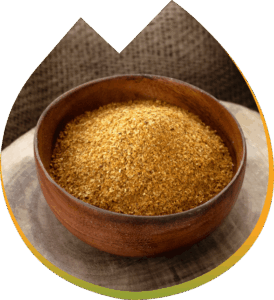
Rice DDGS comes from broken rice-based distilleries, which are common in eastern and southern India where broken rice is a cost-effective feedstock. Protein content is lower than corn DDGS – typically 18 – 22% – and the amino acid profile differs. It is used primarily in ruminant and aquaculture feeds where the protein specification is less demanding.
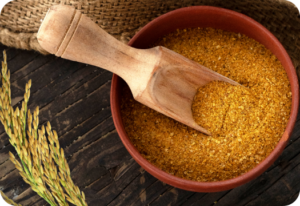
Wheat DDGS is less common in India but available from plants using wheat or wheat fractions as feedstock. Protein content is similar to corn DDGS, though the amino acid profile and energy value differ. Availability is more seasonal and geographically concentrated.
For most poultry and dairy buyers, corn DDGS is the default. Rice DDGS is relevant where pricing makes it attractive or where the production region is close to supply. Wheat DDGS requires more careful formulation work.
Key DDGS Suppliers in India
The DDGS supplier landscape in India has expanded alongside ethanol production capacity. Suppliers broadly fall into two categories: distilleries selling DDGS directly as a co-product, and trading companies aggregating supply from multiple plants.
When evaluating any supplier, four parameters matter most:
Location and logistics. DDGS is a bulk commodity – freight is a meaningful component of delivered price. A supplier priced lower ex-works but located 800 km away may cost more delivered than a regional option. Always assess total landed cost.
Supply capacity and consistency. A distillery producing DDGS as a continuous co-product has more predictable availability than a trader assembling spot purchases. For buyers with regular monthly requirements, a direct distillery relationship is the more reliable structure.
Quality certifications. FSSAI registration is the baseline. ISO 9001 or feed safety management certification indicates more systematic process controls. Ask about testing frequency – whether the supplier tests every batch or at intervals, and which parameters are covered.
Lab reports and mycotoxin testing. Any credible supplier provides a certificate of analysis per consignment covering crude protein, moisture, fat, fibre, and ash. Buyers with stricter requirements should also ask for aflatoxin testing – DDGS can concentrate mycotoxins present in the original grain feedstock.
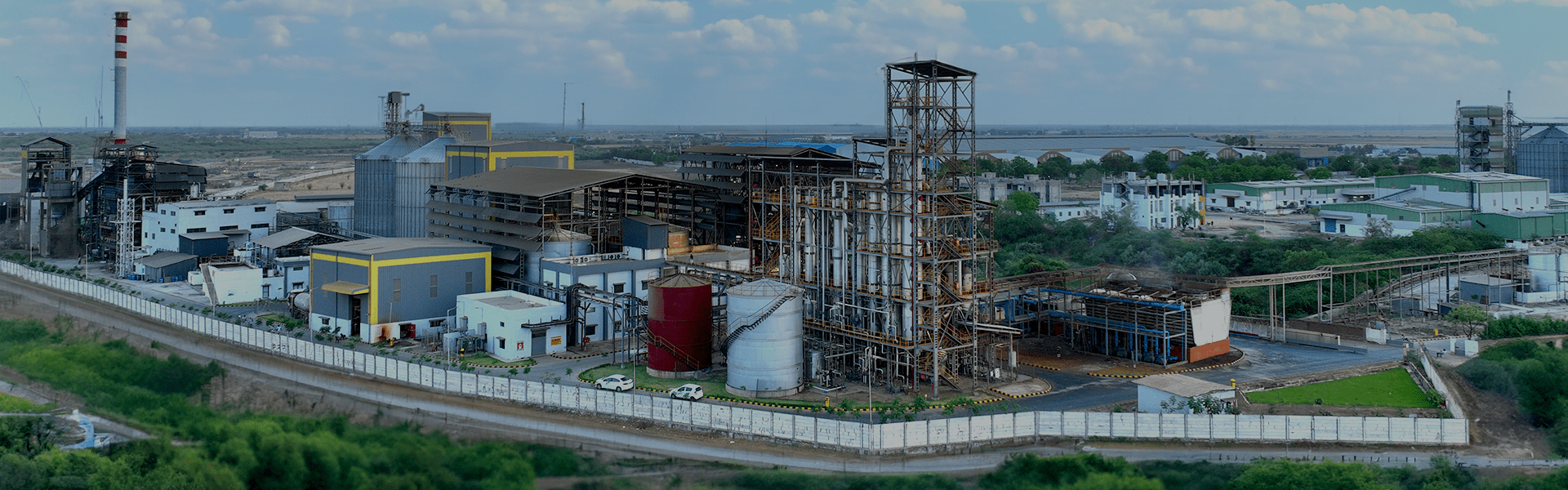
Grainspan Nutrients – Corn DDGS Supplier, Gujarat
Grainspan Nutrients supplies corn DDGS sourced from grain-based ethanol operations in Gujarat. Our supply is tied to continuous distillery production, which means consistent availability rather than spot-market sourcing.
What we supply: Corn DDGS with crude protein in the 26 – 30% range, moisture below 12%, and batch-wise certificates of analysis covering all key nutritional and safety parameters.
Who we supply: Poultry integrators, compound feed manufacturers, dairy cooperatives, and aquaculture feed producers across India.
Logistics: We handle bulk dispatch from Gujarat with road freight connectivity to feed mills in Maharashtra, Rajasthan, Madhya Pradesh, and beyond. For buyers in other states, we can discuss delivered pricing on confirmed volumes.
Certifications: FSSAI registered. Quality documentation available on request.
Minimum order: Available for inquiry – we work with buyers on monthly volume commitments rather than one-off spot purchases.
For current availability, specifications, and pricing, use the email ID at the end of this page.
DDGS Price in India – 2026 Update
DDGS pricing in India varies with feedstock type, protein specification, moisture, and logistics terms. Corn DDGS from established distilleries with consistent quality documentation is priced above rice DDGS and lower-specification material, which trades at a discount.
Rather than quoting a fixed rate – which shifts with maize procurement cycles, ethanol production volumes, and soybean meal dynamics – the more useful frame is understanding what drives the number:
Feedstock type. Corn DDGS commands a premium over rice DDGS because of higher protein content and broader feed formulation applicability.
Protein content and solubility. Within corn DDGS, material testing at 28 – 30% protein with good digestibility is priced differently from 24 – 26% product. The formulation efficiency difference is real, and it affects cost per unit of protein – which is the metric that actually matters.
Moisture content. DDGS above 12% moisture degrades faster in storage and delivers less dry matter per tonne. Buyers paying for high-moisture product are effectively paying for water. Moisture is one of the first things to check in a COA.
Order volume. Buyers committing to monthly volumes typically access better pricing than spot purchasers. Distilleries producing DDGS continuously prefer buyers who can absorb supply consistently.
Location and freight. Ex-works price from a Gujarat or UP plant may look similar; delivered cost to a feed mill in Tamil Nadu or Odisha will not be. Factor logistics into every comparison.
For current market rates, direct inquiry with your shortlisted suppliers is more reliable than any published index. Prices can move meaningfully within a quarter.
How to Choose the Right DDGS Supplier
Ask for lab reports before committing. A supplier who cannot produce a recent COA covering protein, moisture, fat, fibre, ash, and mycotoxins is not yet at the standard required for serious feed manufacturing. The lab report is not just a quality check – it tells you whether the supplier has a systematic process or is managing quality reactively.
Check protein solubility, not just crude protein. Over-heated DDGS has damaged protein that reads as crude protein on standard tests but is poorly digestible. The ADIN (acid detergent insoluble nitrogen) or protein solubility test identifies this. Ask whether the supplier measures it.
Evaluate consistency over time. Request COAs from multiple batches over the previous 3 – 6 months. Consistent protein and moisture across batches is a sign of process control. Wide variation indicates either inconsistent feedstock or inconsistent drying – both of which create formulation problems for buyers.
Assess logistics reliability. Delivery on schedule matters as much as quality. Ask about average lead time from order to delivery and whether the supplier has had supply disruptions in the previous year.
Calculate cost per unit of protein, not cost per tonne. A cheaper tonne of DDGS at 22% protein costs more per kg of protein delivered than a more expensive tonne at 29%. Run the comparison for your specific formulation before making a price-driven decision.
DDGS vs Other Feed Ingredients
| Parameter | Corn DDGS | Soybean Meal | Maize |
| Crude Protein (%) | 26 – 30 | 44 – 48 | 8 – 9 |
| Metabolisable Energy (kcal/kg) | 2,700 – 3,000 | 2,200 – 2,400 | 3,300 – 3,400 |
| Crude Fat (%) | 8 – 10 | 1 – 2 | 3 – 4 |
| Crude Fibre (%) | 8 – 12 | 3 – 5 | 2 – 3 |
| Available Phosphorus (%) | 0.4 – 0.5 | 0.2 – 0.3 | 0.08 – 0.1 |
DDGS is not a direct replacement for soybean meal – the amino acid profile differs, and lysine content in particular is lower. It works best as a partial replacement, typically at 5 – 15% inclusion in poultry diets and up to 20 – 25% in dairy rations, depending on the production stage. Nutritionists formulating with DDGS for the first time should account for the lysine gap.
Against maize, DDGS is not an energy substitute – it is a protein and nutrient complement. In formulations where both are present, DDGS allows a reduction in soybean meal inclusion while maintaining protein specification.
Applications of DDGS
Poultry feed is the largest end use in India. Rice DDGS inclusion in broiler grower and finisher diets typically ranges from 5 – 10%, with some formulators going higher. Layer rations also use DDGS, though the higher fibre content requires attention at elevated inclusion levels.
Cattle and dairy feed accommodates DDGS well. Ruminants handle fibre efficiently, and dairy cows benefit from the combined protein and energy contribution. Inclusion rates of 15 – 25% are common in crossbred dairy rations. For beef cattle on concentrate rations, DDGS can replace a portion of both cereal grain and protein meal.
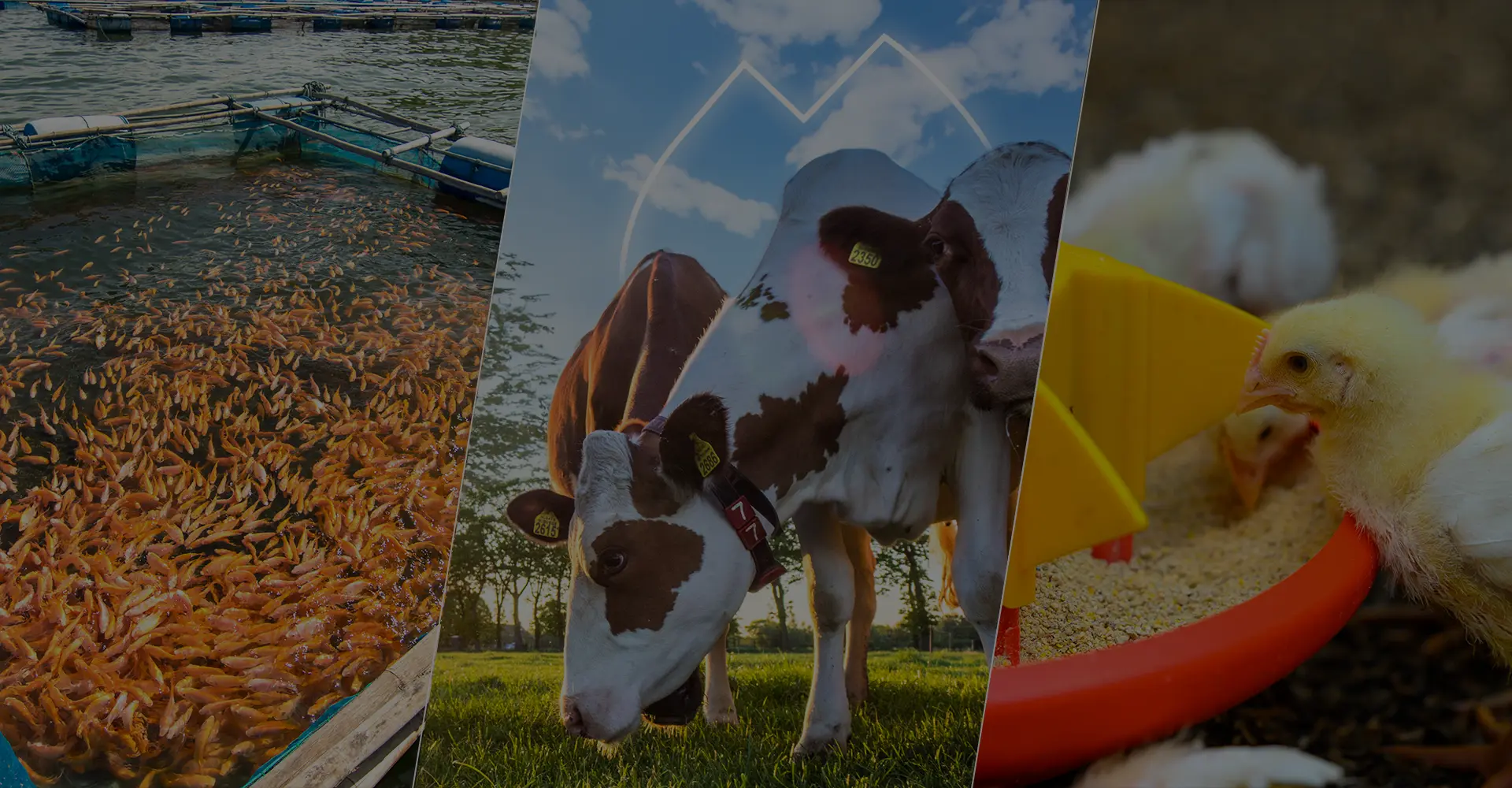
Aquaculture feed uses DDGS as a partial plant protein source, particularly in catfish, rohu, and shrimp feeds. The relatively high fibre content limits inclusion in carnivorous species, but for omnivorous and herbivorous fish, DDGS is a cost-effective ingredient.
Challenges When Buying DDGS
Quality inconsistency between batches. DDGS quality varies with feedstock, processing temperature, and solubles addition rate. Buyers without systematic incoming quality testing absorb this variability into their feed – which affects animal performance in ways that are not always immediately traceable to the ingredient.
Storage requirements. DDGS above 12% moisture is susceptible to mould and mycotoxin development in storage. In humid conditions or extended storage periods, quality can deteriorate between arrival and use. Covered, ventilated storage with FIFO dispatch is the baseline requirement. Most quality problems with DDGS in Indian feed operations trace back to storage, not the product itself.
Price volatility. DDGS pricing follows both ethanol production economics and feed ingredient market dynamics. Seasonal maize procurement patterns affect distillery output costs, which flow through to DDGS pricing. Buyers who can commit to volumes forward – even informally with a reliable supplier – generally manage this better than spot purchasers.
Why Supplier Selection Matters More Than Price
The DDGS market in India has enough suppliers that price competition is real. It also has enough quality variation that buying on price alone is a reliable way to introduce feed quality problems.
A supplier with consistent quality documentation, traceable batch records, and reliable logistics is worth a modest price premium over one who competes purely on rate. The ROI calculation is not just cost per tonne – it is feed conversion efficiency, animal health outcomes, and the operational cost of managing quality failures when they occur.
Long-term supply relationships with a known supplier also provide practical advantages: priority allocation during tight supply periods, advance notice of price changes, and willingness to accommodate non-standard requirements.
Conclusion
DDGS is a well-established feed ingredient with a clear nutritional case and improving domestic supply as India’s ethanol programme expands. For poultry producers, dairy farmers, and feed manufacturers managing input costs, it deserves a serious position in the formulation matrix – not as a low-cost filler, but as a deliberate partial replacement for higher-cost protein and energy sources.
The ingredient is only as good as the supplier behind it. Consistent quality, transparent testing, and reliable logistics are what separate a productive DDGS relationship from one that creates more problems than it solves.
Grainspan Nutrients supplies corn DDGS from grain-based ethanol operations in Gujarat. We provide batch-wise certificates of analysis, consistent quality documentation, and bulk supply to poultry integrators, dairy cooperatives, and compound feed manufacturers across India.
Get a Bulk DDGS Price Quote – info@grainspan.com